01
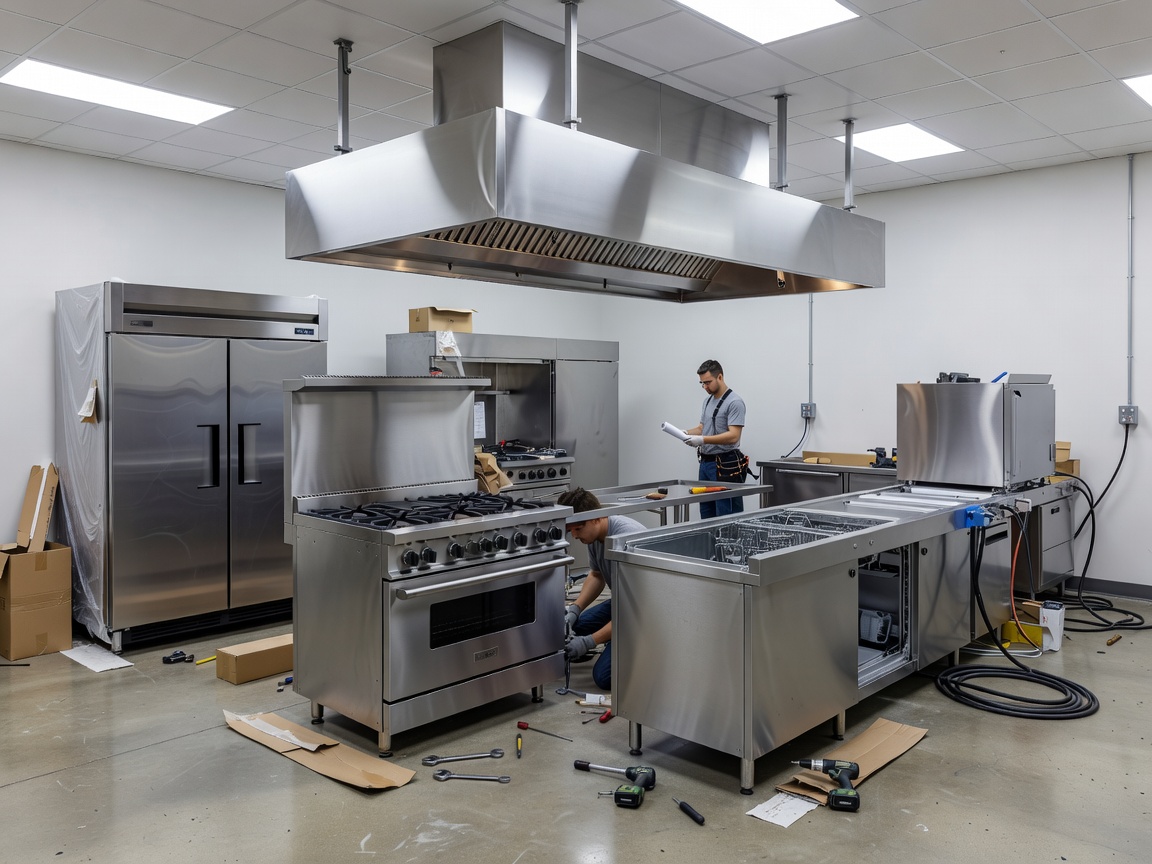
Equipment installation
Prepare the room, coordinate utilities and commission equipment without avoidable surprises.
Read the guide →Commercial kitchen engineering
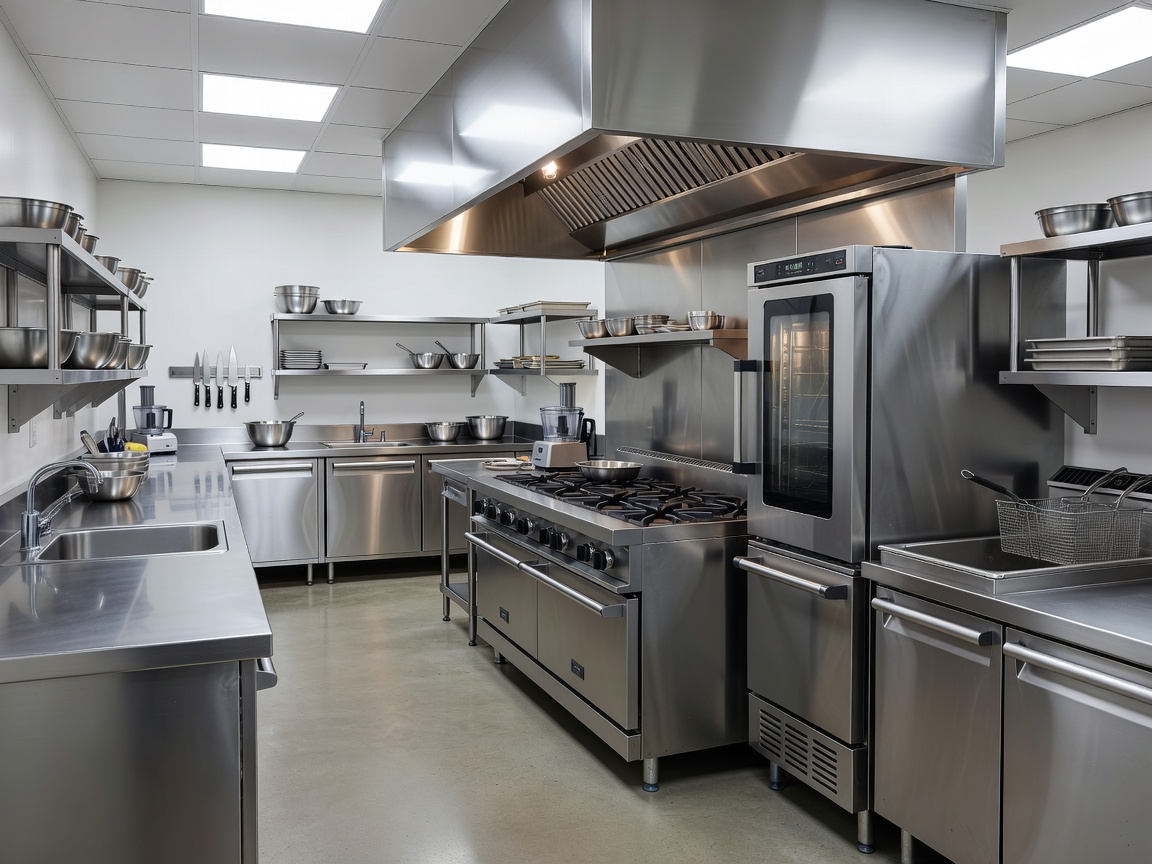
Professional kitchen equipment needs more than an occasional repair. Installation, maintenance, cleaning access, equipment planning and timely servicing all contribute to keeping a busy food-service operation operational.
The practical view
Commercial kitchens are compact, hot, wet and under pressure. A small issue with access, airflow or a door seal can become a much larger interruption once service begins.
We’ve shaped this resource around the decisions that matter: how equipment arrives, where it sits, how it’s looked after and when repair is no longer the sensible option. No grand promises—just useful engineering thinking for restaurant operators.
Service guides
Every kitchen has its quirks. The fundamentals, thankfully, are less mysterious.
Prepare the room, coordinate utilities and commission equipment without avoidable surprises.
Read the guide →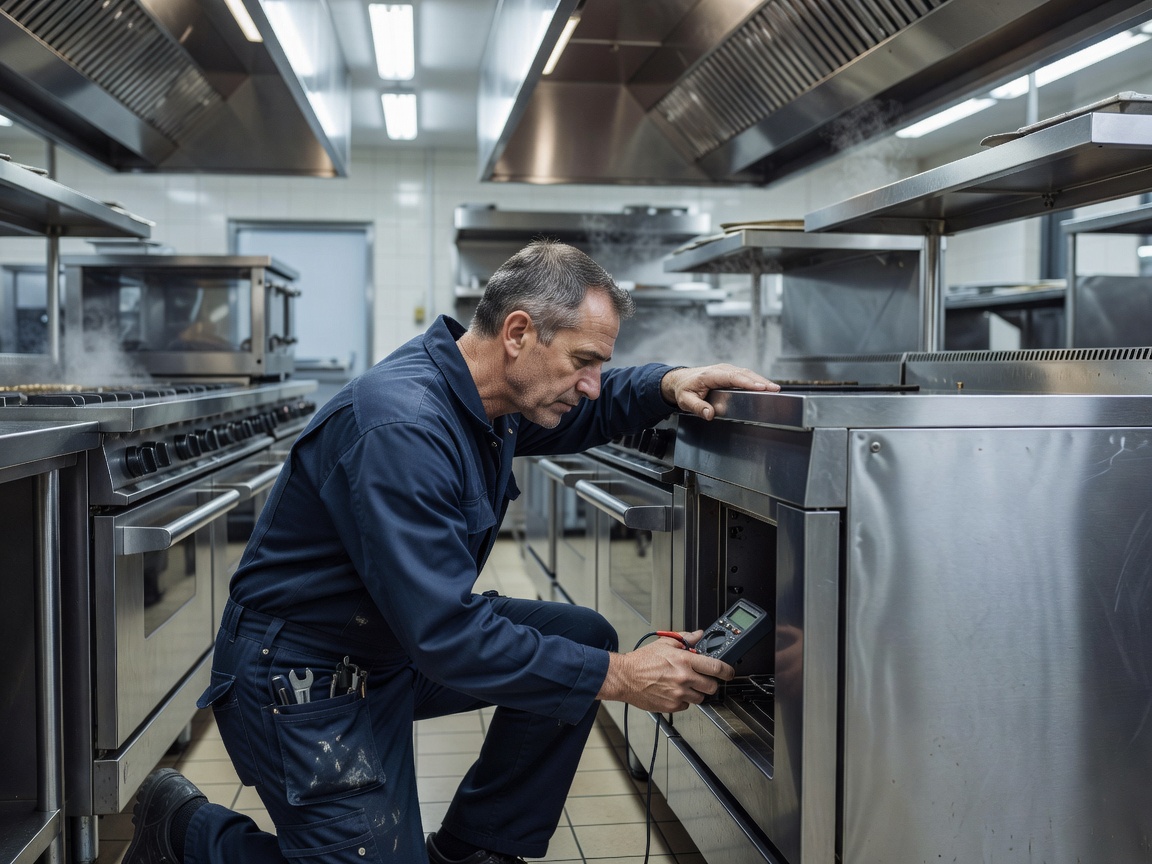
Build sensible service routines around equipment type, workload and access.
Read the guide →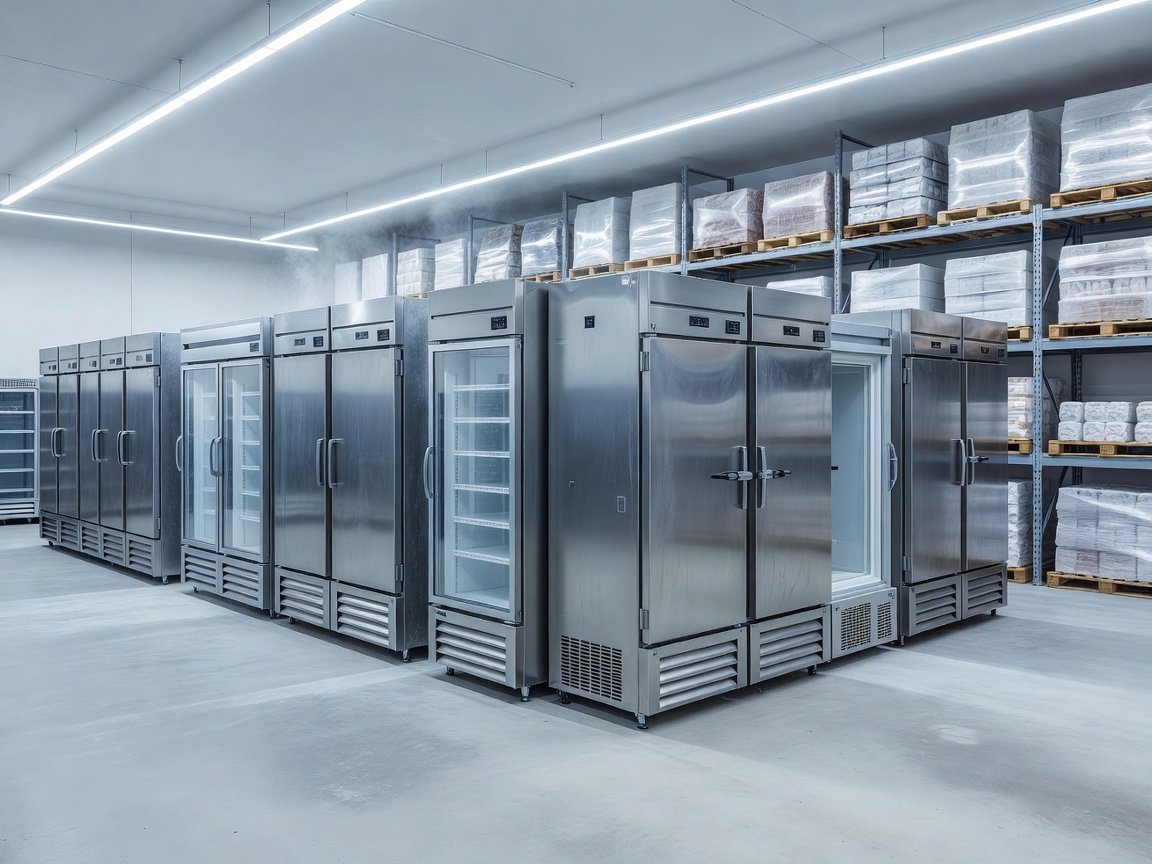
Protect temperature consistency, airflow and cold-storage performance.
Read the guide →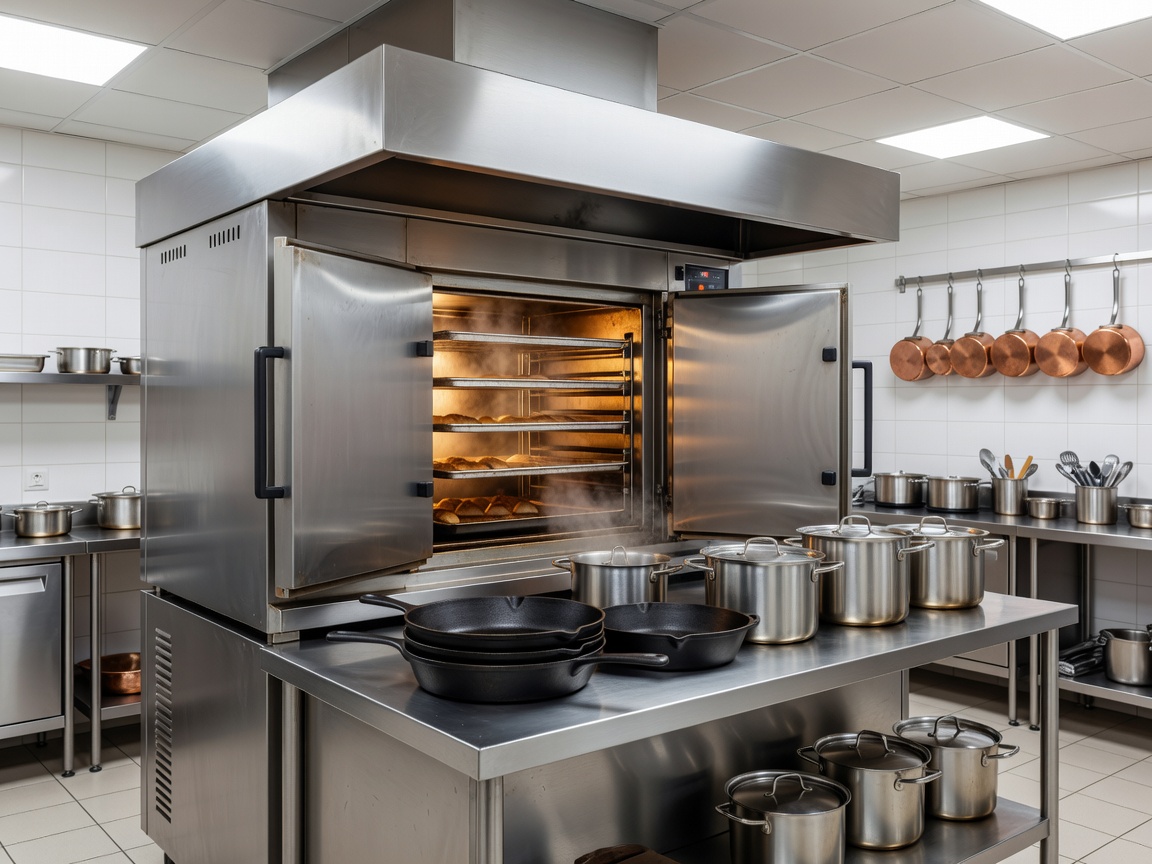
Keep ovens, ranges and preparation equipment dependable through busy shifts.
Read the guide →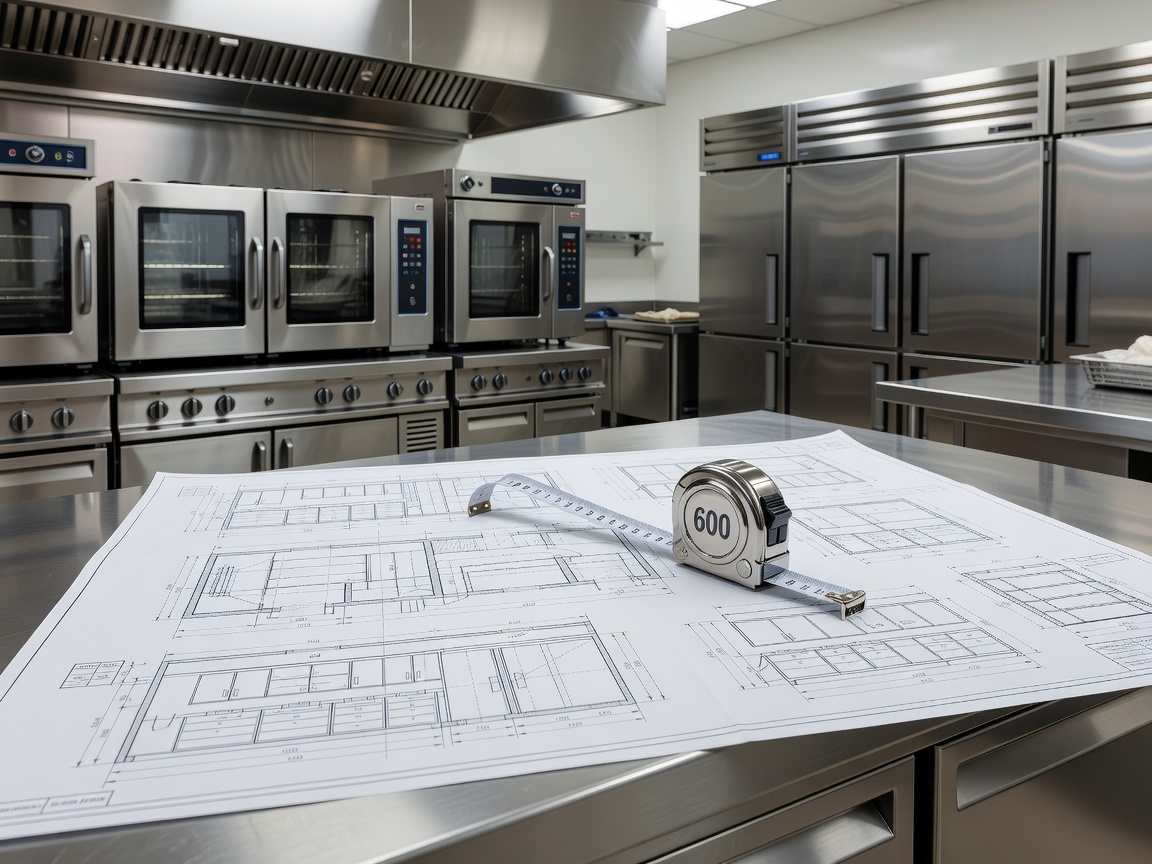
Balance workflow, space, cleaning access and future service requirements.
Read the guide →Back-of-house continuity
Maintenance is easier when it’s scheduled around prep, deliveries and quieter service windows. Record recurring faults, note access constraints and give technicians useful equipment information before they arrive.
Make the next visit easier
Tell us what you’re planning, maintaining or trying to keep moving.